Hydroxylation Pattern of Bile Salt Governs Mixed Micelle Architecture and Peptide Association: Insights from Molecular Dynamics
Hamza Habib1, 2, Zahraa Al-Tamimi2,3, Michael J. Hageman2
1Department of Chemistry, Wesleyan University, Middletown, CT 06459, USA
2Department of Pharmaceutical Chemistry, University of Kansas, Lawrence KS 66047, USA
3Bristol Myers Squibb, Princeton NJ, 08540, USA
Abstract
Bile salt-mediated sequestration of peptide drugs such as octreotide is a major barrier to oral bioavailability, and how bile salt hydroxylation pattern shapes this interaction is not well understood. By utilizing a multiscale molecular dynamics approach, we modeled mixed micelles of trihydroxy (NaTC) or dihydroxy (NaTDC) bile salts with phospholipid under fasted- and fed-state intestinal conditions and computed the free energy of octreotide dissociation from each micellar system. Dihydroxy micelles were large and more compact than trihydroxy micelles and bound octreotide roughly 9 kcal.mol more strongly, with fed-state micelles binding more strongly than fasted state micelles for both bile salt types, an interaction driven primarily by the aromatic and nonpolar residues D-Phe1, Phe3, and D-Trp4. These findings identify bile salt hydroxylation pattern and physiological concentrations as important factors when determining peptide sequestration and support multiscale molecular dynamics as a screening platform for gastrointestinal absorption barriers in peptide drug formulation.
Introduction
Peptide-based therapeutics represent a rapidly developing drug class, with over 80 treatments already approved and many more in development. Due to their large size, conformational flexibility, and extensive hydrogen bonding capabilities, most peptide drugs exhibit poor membrane permeability and are susceptible to proteolytic degradation, limit oral absorption to below 2% for most compounds.1, 2 Due to this, most peptide drugs are administered parenterally, motivating permeation enhancers (PEs) that improve intestinal absorption by increasing membrane fluidity, opening tight junctions, or non-covalently complexing the peptide. 3, 4, 5 Even effective PEs leave gastrointestinal contributions to bioavailability incompletely understood, largely because bile salts and mixed bile salt-phospholipid micelles formed within the intestines have the ability to sequester peptide drugs through a variety of hydrophobic and electrostatic interactions, reducing the fraction of available drug 6, 7 Octreotide, a cyclic octapeptide analog of somastostatin used to treat acromegaly and related conditions, is subcutanelously bioavailable at nearly 100% but has an oral bioavailability below 1%, making it a pharmacologically relevant and physicochemically representative model for studying peptide-micelle sequestration.8,2,6,9
Human intestinal fluid contains bile salts that differ in the number of hydroxyl groups on their steroid core, with trihydroxy species such as sodium taurocholate (NaTC) carrying an additional C-7 hydroxyl group as opposed to dihydroxy species such as sodium taurodeoxycholate (NaTDC). The removal of the C-7 hydroxyl group enhances amphiphilicity while elevating critical micelle concentration compared to dihydroxy analogs.10,11,12,13 Standard biorelevant media, such as FaSSIF and FeSSIF, rely heavily on NaTC to mimic physiological bile salt and phospholipid ratios across dietary states,14 yet the explicit role of bile salt hydroxylation in dictating therapeutic peptide entrapment remains under-explored.15 Molecular dynamics (MD) simulations offer atomistic resolution of micellar architecture and peptide association that traditional scattering methodologies cannot achieve. Although prior coarse-grained (CG) computational studies have examined self-assembly dynamics and small-molecule partitioning in bile salt aggregates,16,17,18,19 a quantitative comparative assessment evaluating how trihydroxy versus dihydroxy frameworks impact peptide binding thermodynamics is lacking. In this study, we implement a multiscale MD framework combining CG assembly, atomistic backmapping, and umbrella sampling to delineate how bile salt hydroxylation (NaTC versus NaTDC) and physiological states (fasted versus fed) modulate mixed micelle morphology and octreotide binding energetics.
Methods
Binary aggregates comprising POPC and either NaTC or NaTDC were assembled at ratios reflecting FaSSIF (3 mM surfactant, 0.75 mM lipid) or FeSSIF (15 mM surfactant, 3.75 mM lipid) conditions (Table 1). These assemblies underwent self-organization in triplicate employing coarse-grained (CG) molecular dynamics driven by the MARTINI 3 framework within GROMACS 2025.3,20,21 applying 10 ns phase relaxation followed by 3 µs production runs at 298.15 K and 1 bar controlled via velocity-rescaling and Berendsen algorithms;22,23 trajectory convergence was tracked using solvent-accessible surface area (SASA) profiles.24 A mean-sized aggregate for each condition was converted to full atomistic detail through CG2AT2;25 subsequently, a single octreotide conformer (derived from PDB 1SOC)26 was embedded and parameterized via CHARMM36, employing CGenFF alongside Force Field Toolkit for steroid salts and octreotide, while CHARMM-GUI Membrane Builder configured POPC,27,28,29,30 preceding 250 ns all-atom sampling regulated by v-rescale, Parrinello–Rahman barostatics, and LINCS bond constraints.22,31,32 Structural features were mapped through SASA, inertial moment anisotropy,33 and Kirkwood–Riseman hydrodynamic radii,34 whereas residue-level peptide-micelle contacts (<5 Å) were quantified using MDAnalysis.35 Dissociation free energies were extracted via all-atom umbrella sampling along the center-of-mass distance (0.1 nm spacing, 5 ns equilibration, 10 ns production per window), reconstructed through WHAM, and evaluated for error via Bayesian bootstrapping (200 iterations).36
Table 1. Coarse-grained simulation system compositions for fasted- and fed-state mixed micelle systems. All conditions were simulated in triplicate for both sodium taurocholate (NaTC) and sodium taurodeoxycholate (NaTDC).
State | Salt Type | POPC molecules | Bile salt molecules | n |
Fasted | NaTC | 12 | 49 | 3 |
Fasted | NaTDC | 12 | 49 | 3 |
Fed | NaTC | 61 | 244 | 3 |
Fed | NaTDC | 61 | 244 | 3 |
Results
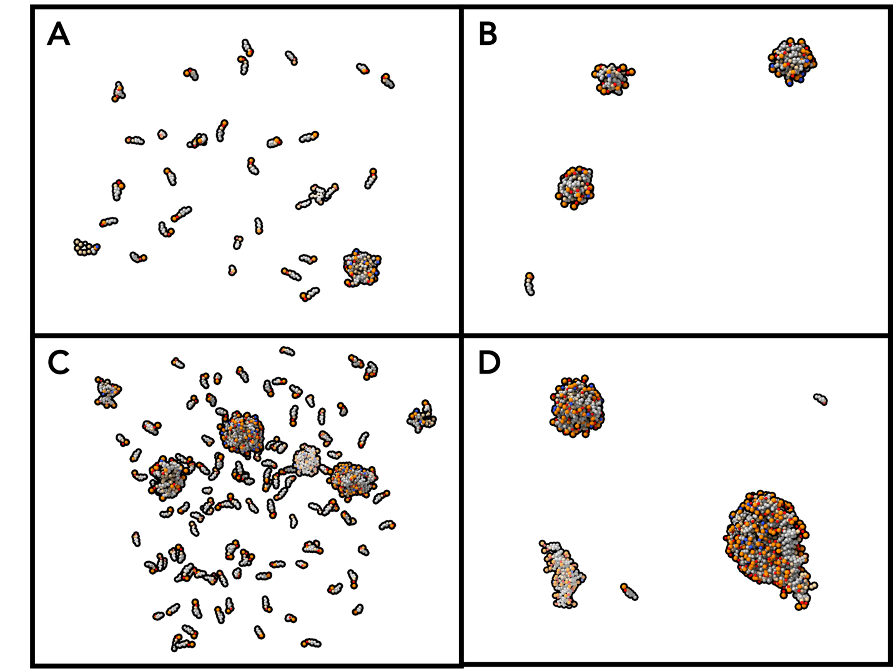
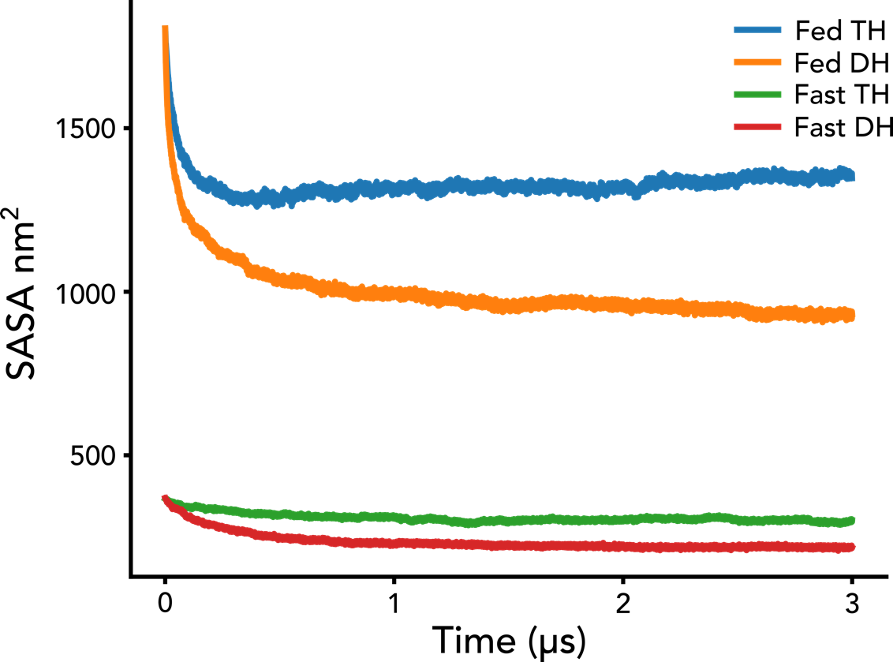
Table 2. Equilibrated solvent-accessible surface area metrics for mixed micellar constructs, averaged from final simulation frames across replicate runs.
System | SASA (nm²) |
Fasted NaTC | 300 ± 1.4 |
Fed NaTC | 1347 ± 5.2 |
Fasted NaTDC | 216 ± 0.9 |
Fed NaTDC | 931 ± 7.0 |
Coarse-grained computational modeling demonstrated rapid self-assembly into binary aggregates across all evaluated systems (Figure 1), accompanied by sharp early SASA decreases within 500 ns prior to reaching steady-state plateaus (Figure 2). Plateau values for SASA were established at 300 ± 1.4 nm² for fasted NaTC, 1347 ± 5.2 nm² for fed NaTC, 216 ± 0.9 nm² for fasted NaTDC, and 931 ± 7.0 nm² for fed NaTDC (Table 2). Comparative composition revealed a higher population of unassociated monomeric bile salts in NaTC assemblies relative to NaTDC counterparts at equivalent ratios (Figure 3). Hydrodynamic dimensions estimated via Kirkwood–Riseman relationships (Table 3) yielded 1.57 ± 0.03 nm (fasted NaTC), 2.49 ± 0.34 nm (fed NaTC), 1.60 ± 0.07 nm (fasted NaTDC), and 3.29 ± 0.20 nm (fed NaTDC); differences in fasted states lacked statistical significance (p ≈ 0.56), whereas fed states exhibited distinct divergence (p ≈ 0.02). Rotational inertia tensor evaluations (Figure 4) indicated pronounced oblate geometries in fed conditions versus fasted baselines, with NaTC aggregates maintaining greater asphericity than NaTDC across both physiological states. Radial density mapping (Figure 5) placed phospholipid tails within the hydrophobic core, while bile salt molecules localized predominantly along the outer aqueous interface across all modeled conditions.
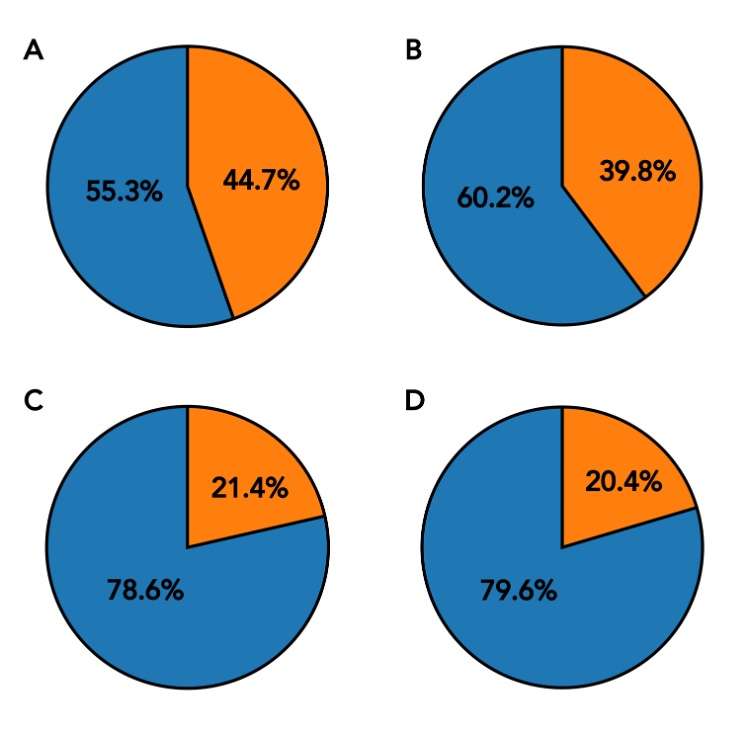
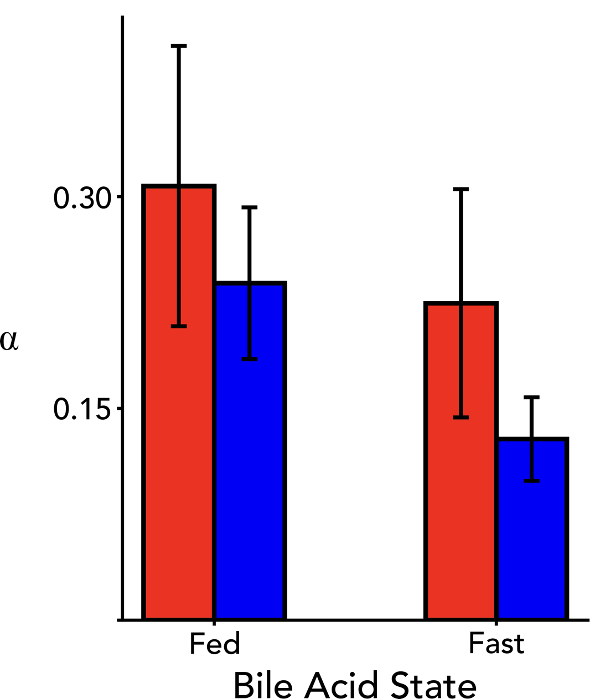
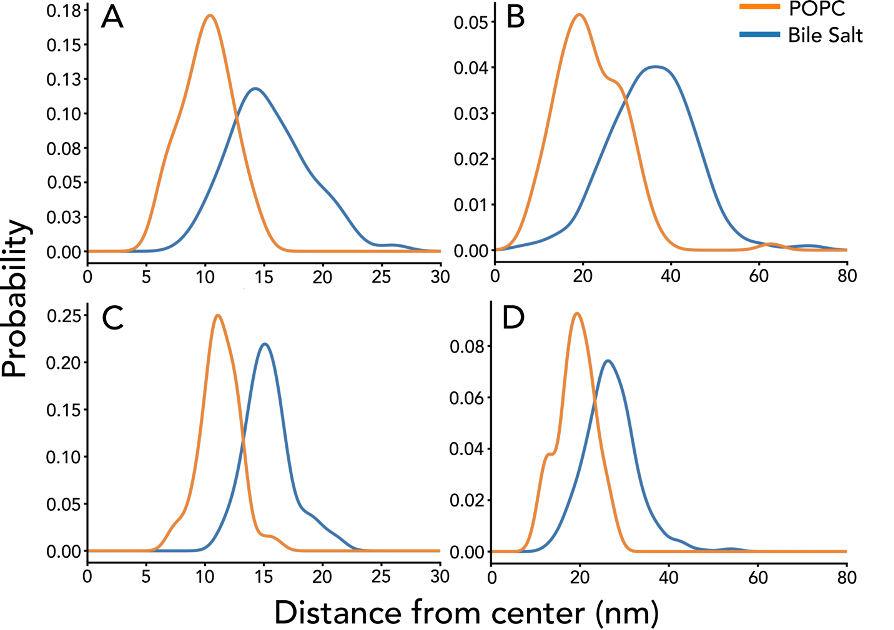
Table 3. Hydrodynamic radii for micellar aggregates calculated from equilibrated simulation states using Kirkwood–Riseman formulations.
Composition | Hydrodynamic Radius (nm) |
Fasted NaTC | 1.57 ± 0.03 |
Fed NaTC | 2.49 ± 0.34 |
Fasted NaTDC | 1.60 ± 0.07 |
Fed NaTDC | 3.29 ± 0.20 |
Interfacial contact mapping (Figure 6) confirmed that D-Phe1, Phe3, and D-Trp4 drive octreotide engagement, displaying the highest normalized contact frequencies with micelle components across all conditions, independent of prandial state or surfactant hydroxylation. Potentials of mean force generated via umbrella sampling (Figure 7) displayed clear potential wells converging toward zero in bulk solvent. Dissociation free energy calculations (Table 4) yielded −3.62 ± 1.2 kcal/mol for fasted NaTC, −10.11 ± 0.4 kcal/mol for fed NaTC, −13.54 ± 0.4 kcal/mol for fasted NaTDC, and −19.18 ± 0.5 kcal/mol for fed NaTDC.
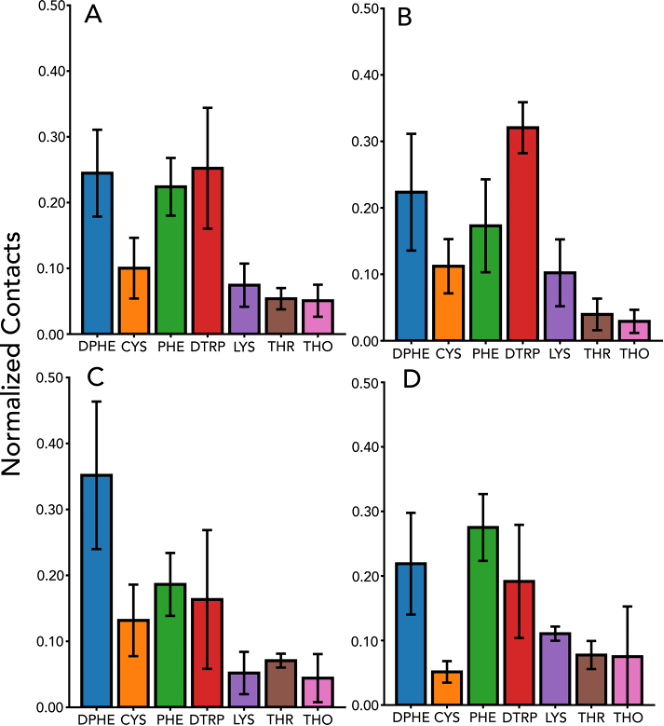
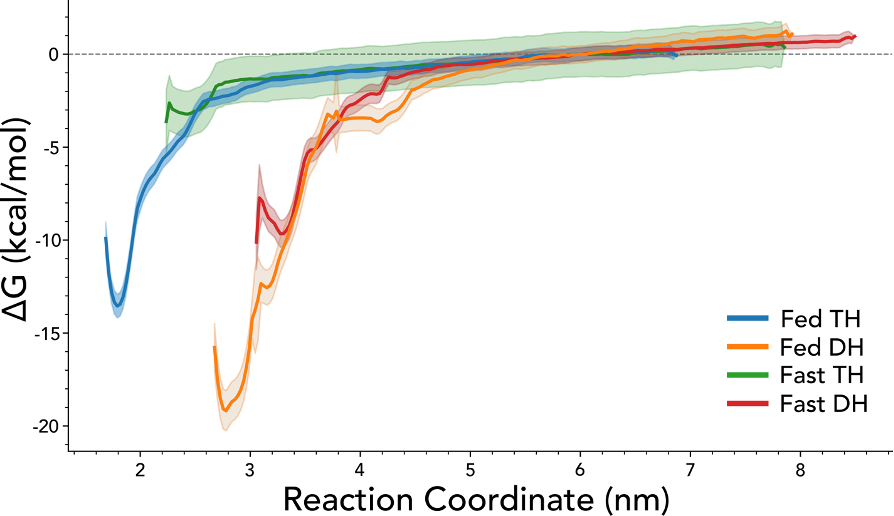
Table 4. Thermodynamic association free energies (ΔG) for octreotide binding to mixed micelles, determined from PMF well depths relative to bulk solvent baselines.
Bile Salt Type | Physiological Concentration | ΔG (kcal/mol) |
NaTC | Fed | −10.11 ± 0.4 |
NaTC | Fasted | −3.62 ± 1.2 |
NaTDC | Fed | −19.18 ± 0.5 |
NaTDC | Fasted | −13.54 ± 0.4 |
Discussion
The reduced SASA together with expanded hydrodynamic dimensions recorded for NaTDC relative to NaTC assemblies under identical stoichiometries align with C-7 hydroxyl removal, which elevates steroid core hydrophobicity, lowers critical micellization thresholds, and promotes dense, expansive aggregates with diminished solvent-exposed nonpolar area.12 Core localization of phospholipid tails alongside peripheral bile salt arrangement mirrors distinct lipophilicity gradients between POPC and surfactant species,37,38 while heightened sphericity in NaTDC over NaTC, alongside fasted over fed regimes, obeys critical packing parameter theory wherein elevated lipid fractions enforce planar, oblate geometry.39 Hydrodynamic divergence between NaTC and NaTDC restricted strictly to fed-state conditions indicates that steroid hydroxylation effects manifest predominantly under elevated amphiphile loadings; overall Rh magnitudes likely exceed empirical metrics due to TIP3P water rigidity and finite-size constraints mitigated by Yeh–Hummer adjustments,40,41 yet relative structural hierarchy matches existing experimental characterizations of intestinal bile aggregates.15
Surfactant hydroxylation state alongside prandial concentration profoundly dictated octreotide affinity, where NaTDC bound the peptide approximately 9 kcal/mol more strongly than NaTC across states, and fed-state configurations enhanced binding by 5.6–6.5 kcal/mol over fasted counterparts. This concentration-driven entrapment correlates with reported intestinal transport studies demonstrating roughly 40% attenuation of octreotide permeability in FeSSIF compared to FaSSIF matrices, driven by micellar encapsulation.15 Notably, proximity contact mapping failed to differentiate fasted from fed association despite marked free-energy disparities, revealing that distance-based spatial metrics cannot fully capture thermodynamic entrapment and underscoring the necessity of enhanced sampling methodologies such as umbrella sampling to quantify concentration-dependent drug binding.
Consistently high contact densities across D-Phe1, Phe3, and D-Trp4 across all simulation conditions suggest hydrophobic-driven binding where these nonpolar moieties, stabilized by the rigid disulfide ring, embed into the interfacial micellar region. This aligns with site-directed mutagenesis showing that D-Trp4 substitution enhances octreotide transport across 15 mM NaTDC barriers by decreasing surfactant binding;15 nevertheless, because contact profiling failed to capture concentration-dependent free energy shifts, it likely underrepresents individual residue energetics such as D-Trp4. A technical constraint in our PMF setup involves relying on a single aggregate morphology per condition, as peptides sample distinct binding modes on dynamic micellar surfaces that complicate cross-replica PMF alignment; confidence is instead maintained through agreement across triplicate CG runs. Incorporating per-residue thermodynamic decomposition into future contact mapping, evaluating multi-replica micellar ensembles, and explicitly tracking hydration shell dynamics around hydroxyl moieties will bridge geometric and energetic descriptions across diverse bile salt matrices.
In summary, these findings highlight bile salt hydroxylation and intestinal concentrations as key, computationally accessible drivers of therapeutic peptide entrapment, confirming multiscale molecular dynamics—combining coarse-grained self-assembly with all-atom free-energy profiling—as a robust predictive framework for assessing gastrointestinal absorption barriers. Expanding this platform across broader physiological bile salts (such as glyco-conjugates and chenodeoxycholate variants), alternative peptide candidates, and direct permeability assessments will further validate these atomic-level interactions to refine predictive frameworks for oral drug delivery design.
References
(1) Liu, M.; Svirskis, D.; Proft, T.; Loh, J.; Yin, N.; Li, H.; Li, D.; Zhou, Y.; Chen, S.; Song, L.; et al. Progress in peptide and protein therapeutics: Challenges and strategies. Acta Pharmaceutica Sinica B 2025, 15 (12), 6342-6381. DOI: https://doi.org/10.1016/j.apsb.2025.10.026.
(2) Renukuntla, J.; Vadlapudi, A. D.; Patel, A.; Boddu, S. H.; Mitra, A. K. Approaches for enhancing oral bioavailability of peptides and proteins. Int J Pharm 2013, 447 (1-2), 75-93. DOI: 10.1016/j.ijpharm.2013.02.030.
(3) Baral, K. C.; Choi, K. Y. Barriers and Strategies for Oral Peptide and Protein Therapeutics Delivery: Update on Clinical Advances. Pharmaceutics 2025, 17 (4). DOI: 10.3390/pharmaceutics17040397.
(4) Coimbra, J. T. S.; Feghali, R.; Ribeiro, R. P.; Ramos, M. J.; Fernandes, P. A. The importance of intramolecular hydrogen bonds on the translocation of the small drug piracetam through a lipid bilayer. RSC Advances 2021, 11 (2), 899-908. DOI: 10.1039/D0RA09995C.
(5) Bohley, M.; Leroux, J. C. Gastrointestinal Permeation Enhancers Beyond Sodium Caprate and SNAC - What is Coming Next? Adv Sci (Weinh) 2024, 11 (33), e2400843. DOI: 10.1002/advs.202400843.
(6) Dougherty, P. G.; Sahni, A.; Pei, D. Understanding Cell Penetration of Cyclic Peptides. Chemical Reviews 2019, 119 (17), 10241-10287. DOI: 10.1021/acs.chemrev.9b00008.
(7) Buckley, S. T.; Bækdal, T. A.; Vegge, A.; Maarbjerg, S. J.; Pyke, C.; Ahnfelt-Rønne, J.; Madsen, K. G.; Schéele, S. G.; Alanentalo, T.; Kirk, R. K.; et al. Transcellular stomach absorption of a derivatized glucagon-like peptide-1 receptor agonist. Science Translational Medicine 2018, 10 (467), eaar7047. DOI: 10.1126/scitranslmed.aar7047.
(8) Dunn, B.; Foxe, M.; Sprott, K. H.; Hook, J. E.; Jump, C. The use of octreotide in pediatric patients: Practical applications for gastrointestinal disorders and beyond: A narrative review. Nutrition in Clinical Practice 2025, 40 (5), 1040-1052. DOI: https://doi.org/10.1002/ncp.11348.
(9) Wang, D.; Yin, F.; Li, Z.; Zhang, Y.; Shi, C. Current progress and remaining challenges of peptide–drug conjugates (PDCs): next generation of antibody-drug conjugates (ADCs)? Journal of Nanobiotechnology 2025, 23 (1), 305. DOI: 10.1186/s12951-025-03277-2.
(10) Lu, J.; Ormes, J. D.; Lowinger, M.; Mann, A. K. P.; Xu, W.; Litster, J. D.; Taylor, L. S. Maintaining Supersaturation of Active Pharmaceutical Ingredient Solutions with Biologically Relevant Bile Salts. Crystal Growth & Design 2017, 17 (5), 2782-2791. DOI: 10.1021/acs.cgd.7b00237.
(11) Urdaneta, V.; Casadésus, J. Interactions between Bacteria and Bile Salts in the Gastrointestinal and Hepatobiliary Tracts. Frontiers in Medicine 2017, Volume 4 - 2017. DOI: 10.3389/fmed.2017.00163.
(12) Moghimipour, E.; Ameri, A.; Handali, S. Absorption-Enhancing Effects of Bile Salts. Molecules 2015, 20 (8), 14451-14473.
(13) Wang, D. Q. H.; Cohen, D. E.; Carey, M. C. Biliary lipids and cholesterol gallstone disease. Journal of Lipid Research 2009, 50, S406-S411. DOI: https://doi.org/10.1194/jlr.R800075-JLR200.
(14) Galia, E.; Nicolaides, E.; Hörter, D.; Löbenberg, R.; Reppas, C.; Dressman, J. B. Evaluation of Various Dissolution Media for Predicting In Vivo Performance of Class I and II Drugs. Pharmaceutical Research 1998, 15 (5), 698-705. DOI: 10.1023/A:1011910801212.
(15) Dening, T. J.; Douglas, J. T.; Hageman, M. J. Do Macrocyclic Peptide Drugs Interact with Bile Salts under Simulated Gastrointestinal Conditions? Molecular Pharmaceutics 2021, 18 (8), 3086-3098. DOI: 10.1021/acs.molpharmaceut.1c00309.
(16) Pabois, O.; Ziolek, R. M.; Lorenz, C. D.; Prévost, S.; Mahmoudi, N.; Skoda, M. W. A.; Welbourn, R. J. L.; Valero, M.; Harvey, R. D.; Grundy, M. M. L.; et al. Morphology of bile salts micelles and mixed micelles with lipolysis products, from scattering techniques and atomistic simulations. Journal of Colloid and Interface Science 2021, 587, 522-537. DOI: https://doi.org/10.1016/j.jcis.2020.10.101.
(17) Parrow, A.; Larsson, P.; Augustijns, P.; Bergström, C. A. S. Molecular Dynamics Simulations of Self-Assembling Colloids in Fed-State Human Intestinal Fluids and Their Solubilization of Lipophilic Drugs. Molecular Pharmaceutics 2023, 20 (1), 451-460. DOI: 10.1021/acs.molpharmaceut.2c00710.
(18) Parrow, A.; Larsson, P.; Augustijns, P.; Bergström, C. A. S. Molecular Dynamics Simulations on Interindividual Variability of Intestinal Fluids: Impact on Drug Solubilization. Molecular Pharmaceutics 2020, 17 (10), 3837-3844. DOI: 10.1021/acs.molpharmaceut.0c00588.
(19) Hossain, S.; Kneiszl, R.; Larsson, P. Revealing the interaction between peptide drugs and permeation enhancers in the presence of intestinal bile salts. Nanoscale 2023, 15 (47), 19180-19195. DOI: 10.1039/D3NR05571J.
(20) Souza, P. C. T.; Alessandri, R.; Barnoud, J.; Thallmair, S.; Faustino, I.; Grünewald, F.; Patmanidis, I.; Abdizadeh, H.; Bruininks, B. M. H.; Wassenaar, T. A.; et al. Martini 3: a general purpose force field for coarse-grained molecular dynamics. Nature Methods 2021, 18 (4), 382-388. DOI: 10.1038/s41592-021-01098-3.
(21) Berendsen, H. J. C.; van der Spoel, D.; van Drunen, R. GROMACS: A message-passing parallel molecular dynamics implementation. Computer Physics Communications 1995, 91 (1), 43-56. DOI: https://doi.org/10.1016/0010-4655(95)00042-E.
(22) Bussi, G.; Donadio, D.; Parrinello, M. Canonical sampling through velocity rescaling. The Journal of Chemical Physics 2007, 126 (1). DOI: 10.1063/1.2408420.
(23) Berendsen, H. J. C.; Postma, J. P. M.; van Gunsteren, W. F.; Di Nola, A.; Haak, J. R. Molecular dynamics with coupling to an external bath. Journal of Chemical Physics 1984, 81 (8), 3684-3690. DOI: 10.1063/1.448118.
(24) Eisenhaber, F.; Lijnzaad, P.; Argos, P.; Sander, C.; Scharf, M. The double cubic lattice method: Efficient approaches to numerical integration of surface area and volume and to dot surface contouring of molecular assemblies. Journal of Computational Chemistry 1995, 16 (3), 273-284. DOI: https://doi.org/10.1002/jcc.540160303.
(25) Vickery, O. N.; Stansfeld, P. J. CG2AT2: an Enhanced Fragment-Based Approach for Serial Multi-scale Molecular Dynamics Simulations. Journal of Chemical Theory and Computation 2021, 17 (10), 6472-6482. DOI: 10.1021/acs.jctc.1c00295.
(26) Melacini, G.; Zhu, Q.; Goodman, M. Multiconformational NMR Analysis of Sandostatin (Octreotide): Equilibrium between β-Sheet and Partially Helical Structures. Biochemistry 1997, 36 (6), 1233-1241. DOI: 10.1021/bi962497o.
(27) Van Der Spoel, D.; Lindahl, E.; Hess, B.; Groenhof, G.; Mark, A. E.; Berendsen, H. J. GROMACS: fast, flexible, and free. J Comput Chem 2005, 26 (16), 1701-1718. DOI: 10.1002/jcc.20291.
(28) Wu, E. L.; Cheng, X.; Jo, S.; Rui, H.; Song, K. C.; Dávila-Contreras, E. M.; Qi, Y.; Lee, J.; Monje-Galvan, V.; Venable, R. M.; et al. CHARMM-GUI Membrane Builder toward realistic biological membrane simulations. Journal of Computational Chemistry 2014, 35 (27), 1997-2004. DOI: https://doi.org/10.1002/jcc.23702.
(29) Vanommeslaeghe, K.; Hatcher, E.; Acharya, C.; Kundu, S.; Zhong, S.; Shim, J.; Darian, E.; Guvench, O.; Lopes, P.; Vorobyov, I.; et al. CHARMM general force field: A force field for drug-like molecules compatible with the CHARMM all-atom additive biological force fields. J Comput Chem 2010, 31 (4), 671-690. DOI: 10.1002/jcc.21367.
(30) Mayne, C. G.; Saam, J.; Schulten, K.; Tajkhorshid, E.; Gumbart, J. C. Rapid parameterization of small molecules using the force field toolkit. Journal of Computational Chemistry 2013, 34 (32), 2757-2770. DOI: https://doi.org/10.1002/jcc.23422.
(31) Parrinello, M.; Rahman, A. Polymorphic transitions in single crystals: A new molecular dynamics method. Journal of Applied Physics 1981, 52 (12), 7182-7190. DOI: 10.1063/1.328693.
(32) Hess, B.; Bekker, H.; Berendsen, H. J. C.; Fraaije, J. G. E. M. LINCS: A linear constraint solver for molecular simulations. Journal of Computational Chemistry 1997, 18 (12), 1463-1472. DOI: https://doi.org/10.1002/(SICI)1096-987X(199709)18:12<1463::AID-JCC4>3.0.CO;2-H.
(33) Duran, T.; Costa, A.; Gupta, A.; Xu, X.; Zhang, H.; Burgess, D.; Chaudhuri, B. Coarse-Grained Molecular Dynamics Simulations of Paclitaxel-Loaded Polymeric Micelles. Molecular Pharmaceutics 2022, 19 (4), 1117-1134. DOI: 10.1021/acs.molpharmaceut.1c00800.
(34) Kirkwood, J. G.; Riseman, J. The Intrinsic Viscosities and Diffusion Constants of Flexible Macromolecules in Solution. The Journal of Chemical Physics 1948, 16 (6), 565-573. DOI: 10.1063/1.1746947.
(35) Michaud-Agrawal, N.; Denning, E. J.; Woolf, T. B.; Beckstein, O. MDAnalysis: A toolkit for the analysis of molecular dynamics simulations. Journal of Computational Chemistry 2011, 32 (10), 2319-2327. DOI: https://doi.org/10.1002/jcc.21787.
(36) Hub, J.; de Groot, B.; van der Spoel, D. g_wham—A Free Weighted Histogram Analysis Implementation Including Robust Error and Autocorrelation Estimates. Journal of Chemical Theory and Computation 2010, 6, 3713-3720. DOI: 10.1021/ct100494z.
(37) Souza, L. M. P.; Souza, F. R.; Reynaud, F.; Pimentel, A. S. Tuning the hydrophobicity of a coarse grained model of 1,2-dipalmitoyl-sn-glycero-3-phosphatidylcholine using the experimental octanol-water partition coefficient. Journal of Molecular Liquids 2020, 319, 114132. DOI: https://doi.org/10.1016/j.molliq.2020.114132.
(38) Roda, A.; Minutello, A.; Angellotti, M. A.; Fini, A. Bile acid structure-activity relationship: evaluation of bile acid lipophilicity using 1-octanol/water partition coefficient and reverse phase HPLC. Journal of Lipid Research 1990, 31 (8), 1433-1443. DOI: https://doi.org/10.1016/S0022-2275(20)42614-8.
(39) Israelachvili, J. N.; Mitchell, D. J.; Ninham, B. W. Theory of self-assembly of hydrocarbon amphiphiles into micelles and bilayers. Journal of the Chemical Society, Faraday Transactions 2: Molecular and Chemical Physics 1976, 72 (0), 1525-1568. DOI: 10.1039/F29767201525.
(40) Tazi, S.; Boţan, A.; Salanne, M.; Marry, V.; Turq, P.; Rotenberg, B. Diffusion coefficient and shear viscosity of rigid water models. Journal of Physics: Condensed Matter 2012, 24 (28), 284117. DOI: 10.1088/0953-8984/24/28/284117.
(41) Yeh, I.-C.; Hummer, G. System-Size Dependence of Diffusion Coefficients and Viscosities from Molecular Dynamics Simulations with Periodic Boundary Conditions. The Journal of Physical Chemistry B 2004, 108 (40), 15873-15879. DOI: 10.1021/jp0477147.