Liberal Arts to Scientific Academia: A Road Less Traveled
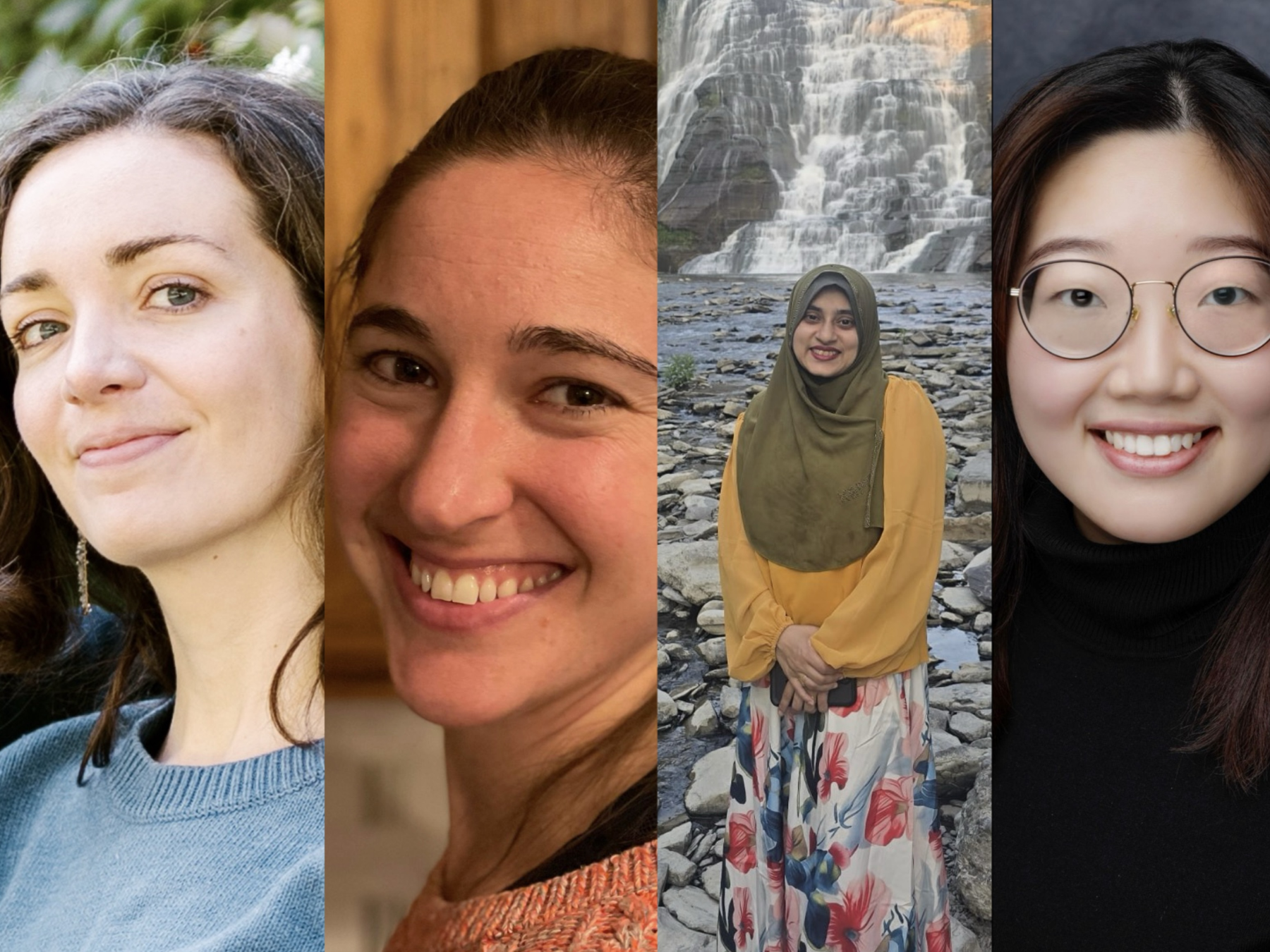
How does studying science in a classically liberal arts space impact one’s journey through scientific academia? We asked some Wesleyan Undergraduate alumni to better understand how their Bachelor of Arts degree has helped in their later research endeavors.

Maddy Junkins ‘16 is currently a postdoctoral researcher at Yale University studying the cellular mechanisms underlying neuroimmune interactions. After finishing her undergraduate degree at Wesleyan, she spent two years as a research assistant at NYU to get a taste of lab research at a large institution. She then completed her PhD in the Yale Interdepartmental Neuroscience program. At Wesleyan and NYU, Junkins studied song systems in zebra finches before studying the neurobiological basis of hibernation in thirteen-lined ground squirrels.
Q: How do you feel like your Wesleyan experience impacts your work today?
A: In research, we frequently have to consider the big picture when trying to solve a problem and approach it from multiple angles and contexts. Thanks to the liberal arts experience I received at Wesleyan, this comes more naturally to me now. I notice this benefit most of all when the time comes to communicate my findings in writing and presentations.
Q: How did you determine which area or niche was right for you?
A: I came to Wesleyan thinking that I would major in chemistry, but after I completed my first-year seminar – Classics in Animal Behavior – I noticed how much I loved the material, and I decided to follow my interests. I enrolled in psychology classes and eventually landed in the Neuroscience & Behavior major.
I had a similar defining moment early in my graduate career, when I joined Yale thinking I would study neuroscience at the systems level. After hearing several exciting lectures on molecular neurobiology, I felt much more drawn to this type of work, and decided to shift my focus. This turned out to be a life-changing decision because it brought me to the lab where I completed my Ph.D. work in hibernation, which I absolutely loved.
Q: What is the best piece of advice you have received in your scientific pursuits?
A: Actively seek out feedback! Asking a question in class or sharing a research proposal draft with your peers or advisor can feel vulnerable, but receiving feedback is the only way to correct misunderstandings and ultimately grow as a scientist. Getting others to critique your work may feel uncomfortable at first, but you will be rewarded for the risk.
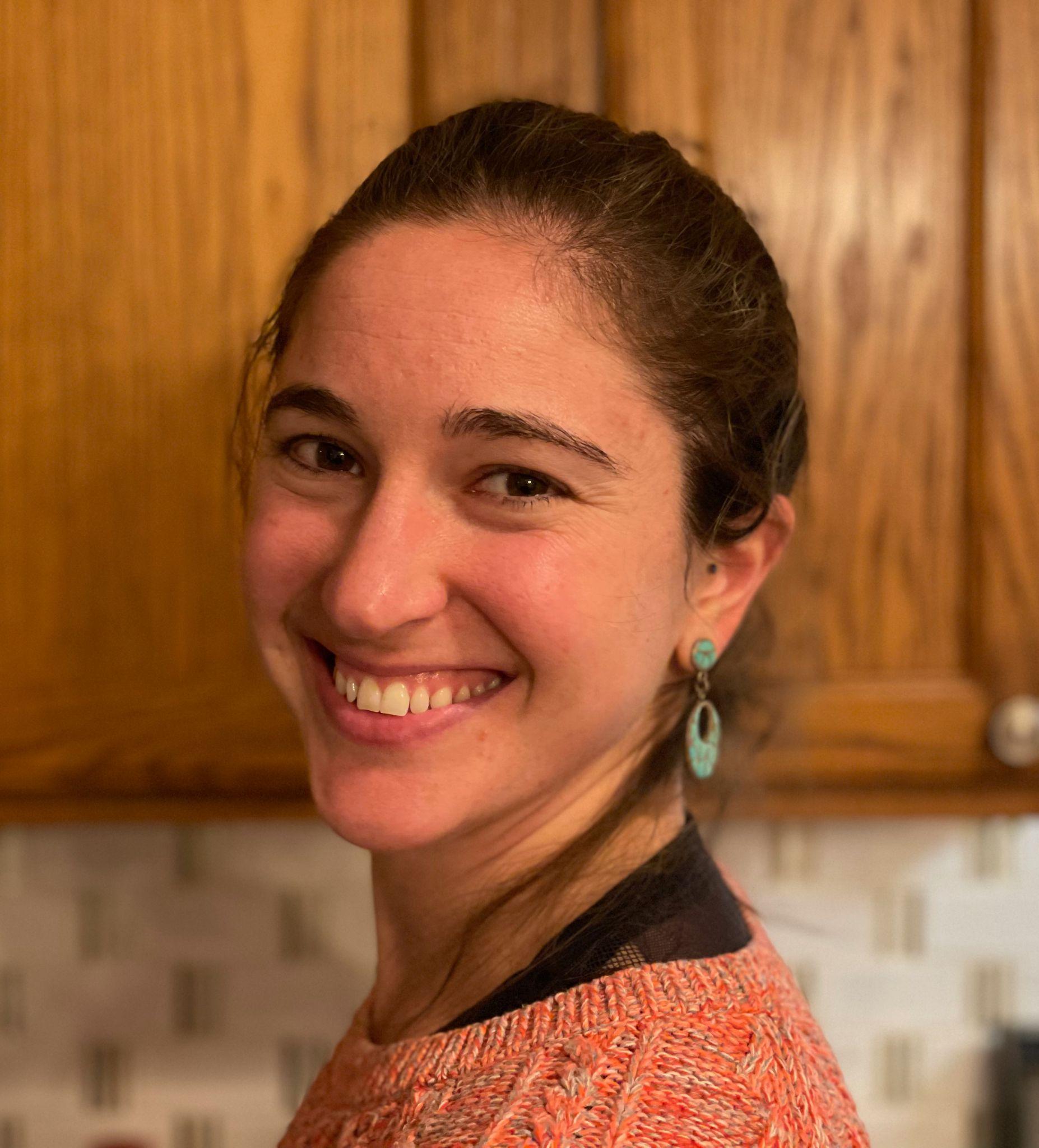
Maryann Platt ‘11 is an associate research scientist at Yale University investigating the blood-brain barrier in hibernating thirteen-lined ground squirrels. She obtained her PhD from Columbia University in Neurobiology & Behavior after graduating from Wesleyan University as a Neuroscience & Behavior major. After Wesleyan, she realized she needed to work at a lab to determine if she really wanted to go to medical school, graduate school, or neither.
Q: What was the most valuable Wesleyan class/research experience/etc. that still helps with your scientific research?
A: I had to do an ethogram for Animal Behavior, and it made me consider that even behaviors can be quantified. I try to approach behavioral experiments now with the same non-judgmental eye we had to use to finish an ethogram, quantifying different behaviors without assigning valence to them.
Q: If you could give Wesleyan students interested in the life sciences field advice for the future, what would it be?
A: Don't be afraid to try something for a year. There's so much you can learn about yourself from less-than-awesome experiences, and that's where real growth happens. And ask questions! More senior lab members want you to succeed, and want you to ask questions.
Q: What has been the most challenging part of pursuing a career in the life sciences?
A: Thinking of good questions! Only kind of kidding. It's important to at least try to think of good research questions, and to try to come up with a strategy to answer them, or give a good-faith literature search before you ask them.
Q: What is the best piece of advice you have received in your scientific pursuits?
A: It's more important to show growth than to have a perfect track record your whole career. It's good to know that students can be resilient and come back from challenges. Best of luck!!
Wesleyan alumni found the liberal arts experience prepared them well for the problem-solving, adaptability, and close communication skills required to work in scientific research. They went into their career paths with an open mind and a willingness to try new approaches, study non-traditional model organisms, and experiment within their pursuits. Wesleyan taught them how to deal with the discomfort of asking for help and receiving criticism from mentors, principal investigators, and committees.
We also reached out to some current Wesleyan Graduate students to see what they value in their scientific education and research endeavors in this type of environment.

Sabrina Sharmin is currently a 6th year PhD student in the MacQueen lab within the Molecular Biology & Biochemistry department at Wesleyan University. She previously obtained a bachelor’s and a master's degree in Genetic Engineering and Biotechnology at the University of Science and Technology, Sylhet, Bangladesh. During her undergraduate experience, she worked on a case study of progeria which led her to becoming more interested in molecular research.
Q: What were your deciding factors that helped you pick a graduate school?
A: My main deciding factors were the research opportunities, potential mentors, available resources,
and the overall environment of the program. I also liked that Wesleyan has a low faculty-to-
student ratio, which meant more opportunities for close mentorship and direct interaction with
faculty while still allowing me to grow as an independent researcher.
Q: What has been the most challenging part of pursuing a career in the life sciences?
A: One of the biggest challenges for me has been learning to deal with uncertainty, because
experiments do not always work the way you expect them to. Sometimes the results are
surprising, and other times you can do everything correctly and still run into an unexplained or
completely unexpected issue. Over time, I have learned that troubleshooting, being patient, and
continuing to move forward are really the only ways to keep making progress in science.

Sebin Park is a 4th-year Wesleyan PhD student in the Feng lab within the Biology department. Exploring research from an early age, her interests varied from multilingualism to time perception to banana genetics. When Park was an undergraduate at Middlebury College, she became increasingly fascinated by traumatic brain injury research in fruit flies. Her undergraduate research progressed into an interest in neuroethology, ultimately leading her to a PhD at Wesleyan. She is currently studying animal behavior and neurobiology by investigating food-hoarding behavior and its relationship to stress and anxiety in thirteen-lined ground squirrels.
Q: What were your deciding factors that helped you pick a graduate school?
A: My biggest deciding factors were the research, my relationships with the faculty, and the sense of community. Since my career goal is to teach, I also wanted a program where I could gain experience mentoring and working closely with students.
Q: What has been the most valuable Wesleyan class/research experience/etc. that helps with your scientific research?
A: The “Advanced Research Seminars in Biology” course has been especially valuable. Each graduate student gives a 30-minute presentation on their ongoing research to faculty and other graduate students once a year. I’m not naturally a great public speaker, but scientific communication is such an important part of research, and the course has helped me to practice and become more confident and effective at communicating my work.
Q: How did you determine which area or niche was right for you?
A: I knew broadly that I enjoyed both biology and psychology. Fortunately, I had the opportunity to explore both through research in high school, working with mentors at local universities. When I started college, I was drawn to the neuroscience major due to its interdisciplinary nature. It combined biology, psychology, and philosophy, which were all areas I enjoyed. So, I took the foundational courses, loved them, and stayed with it.
When considering your academic path, remember that there is no correct or singular way to go about it. Each of these scientists is a great example of the different opportunities, positions, and journeys that you may go through. Wesleyan is a fantastic example of a unique liberal arts university that continuously supports its students in their scientific pursuits. It offers a tight-knit environment suitable for immense hands-on professor guidance, lasting mentorship, and critical problem-solving skills. Wesleyan has almost forty research labs which mainly rely on the ambition and hard work of enthusiastic undergraduate researchers. Undergraduates should utilize this opportunity to explore a wide array of scientific courses and join research labs to see if scientific academia is the right space for you.
Lorraine Hillgen-Santa ‘28 is a Neuroscience & Behavior major studying warming kinetics and obesity in thirteen-lined ground squirrels at the Feng lab at Wesleyan University and the Gracheva lab at Yale University.
Feyza Horuz ‘28 is a Molecular Biology & Biochemistry major investigating the structure and function of histones using yeast at the Holmes lab at Wesleyan University.